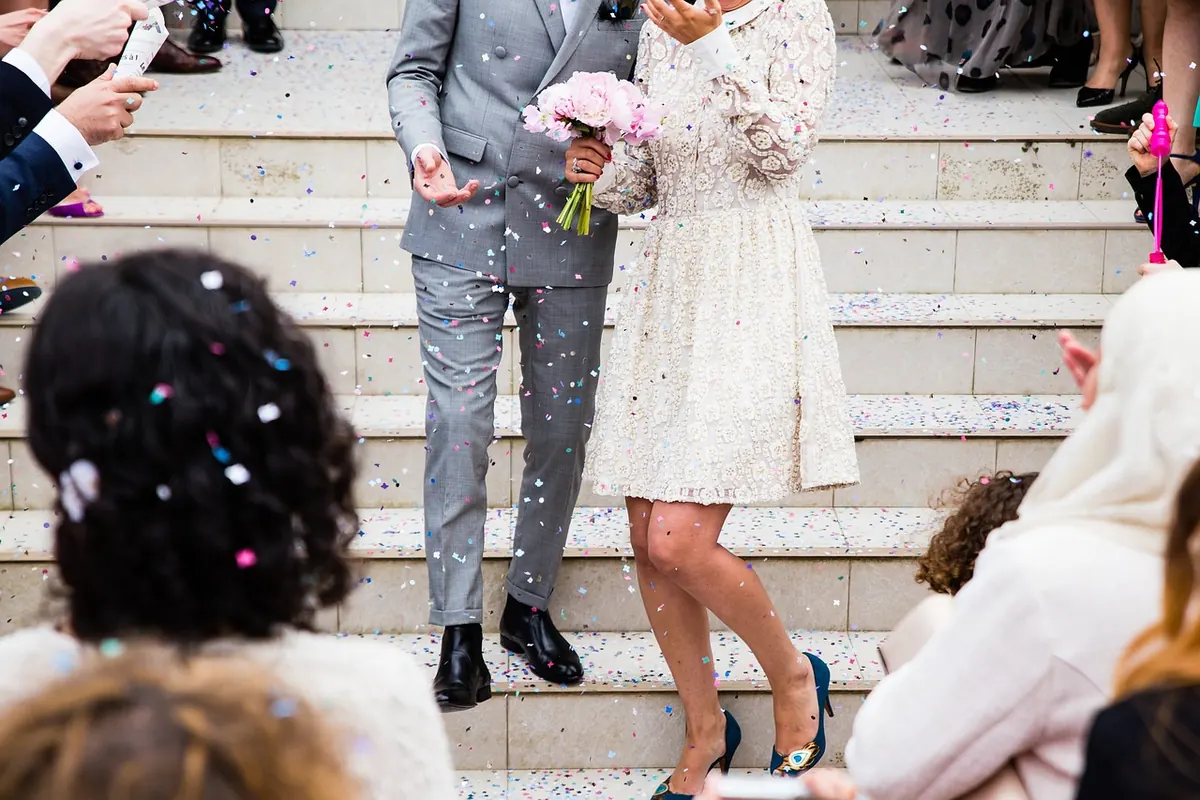
Summer weddings put jewelry under a particular kind of pressure. The ceremony starts at four, the sun is still high, the reception tent is warm, and you will spend six hours doing things your hands and neck don't usually do: hugging relatives, holding a glass, dancing on grass, squinting into photographs. Opal rewards a little planning. Its play of colour looks almost liquid outdoors, but it is softer than sapphire or diamond, sensitive to heat and chemicals, and happiest when it sits somewhere protected. That leaves most guests with a straight choice: pendant or ring. Both work. They work differently, and the better pick depends on what you're wearing, where you're going, and how much you plan to use your hands.
Start with the neckline, then consider the schedule
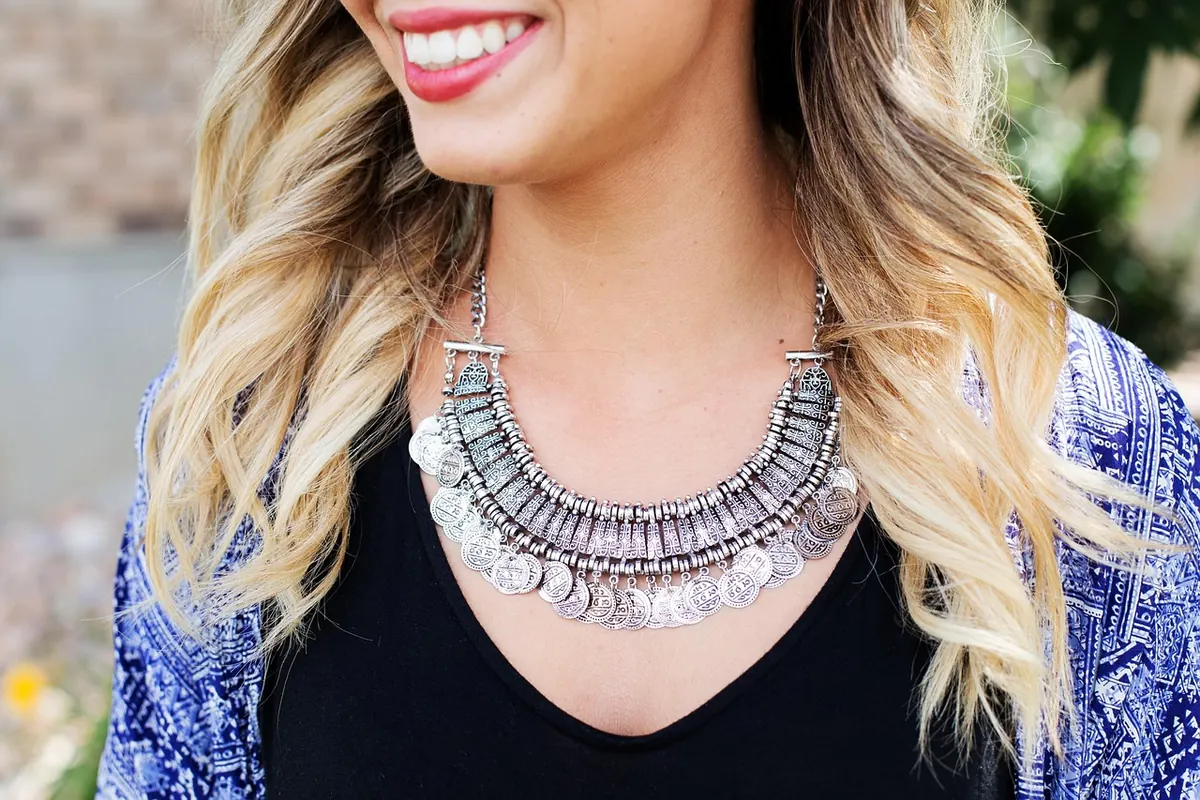
Before you think about settings, look at the dress you've already chosen or the one you're about to buy. A pendant needs space to work. Strapless, halter, V-neck, square neckline, a deep scoop — all of them give a pendant somewhere to sit, and a fine chain with a single oval opal will fill that space without competing with a print or a ruffle. If your dress has a high neck, a collar, or heavy embellishment at the throat, a pendant gets buried. That is when a ring earns its place.
Sleeves matter too. Three-quarter sleeves and a bracelet already crowd the wrist, so hands become the visible, moving part of the outfit — which is exactly where a ring with a flash of green or blue fire does its best work. Strapless with bare arms and bare hands? You can carry both, if you keep them related: same metal tone, similar body colour, nothing matching so literally that it looks like a set bought in a hurry.
Heat, sunscreen and swollen fingers
Summer is unkind to rings in ways people forget until the day itself. Fingers swell in heat and after a long afternoon on your feet, and a ring that fits perfectly in April can feel tight by the toast. If you are buying a ring specifically for a warm-weather wedding, have it sized for your summer hand — or choose a design you can comfortably move to another finger if the evening turns humid.
Opals ask for a little discipline as well. They contain water, and prolonged heat, sudden temperature changes and chemicals can dull or damage them; sunscreen, insect repellent, hairspray and perfume are all worth keeping off the stone. Whatever you choose, put it on last: dress, hair, sunscreen, perfume, then jewelry. Skip the opal entirely if you plan to swim, and don't leave it in a hot car or on a sunny windowsill while you get ready.
A pendant is easier on this front. It doesn't meet the sunscreen on your hands, the chlorinated water, or the pressure of gripping a glass for three hours. Rings live harder lives.
The case for a pendant
An opal pendant sits at chest height, which is precisely where late-afternoon sun and candlelight do the most for the stone. The colour shifts as you move and as the light changes from ceremony to dusk, and you never have to think about it again. It also solves the practical problems that summer creates.
- No sizing worries. Heat, travel and a long day cannot make a necklace too tight.
- Visible in photographs. Portraits are usually framed from the waist up, so the pendant appears even when your hands are holding a bouquet, a clutch or a glass.
- Comfortable in the heat. A light chain feels like nothing; a ring under a warm hand does not.
- Easy to adapt. Move it to a shorter chain for a second outfit, or fasten it with the clasp at the front for a different line.
- Protective settings are common. A bezel-set or low cabochon pendant guards the edges of a softer stone far better than a tall claw setting does.
One caution: a long, swinging pendant can catch on beaded straps, lace and wrap dresses when you dance. Keep the drop above the bustline if your dress has texture at the waist.
The case for a ring
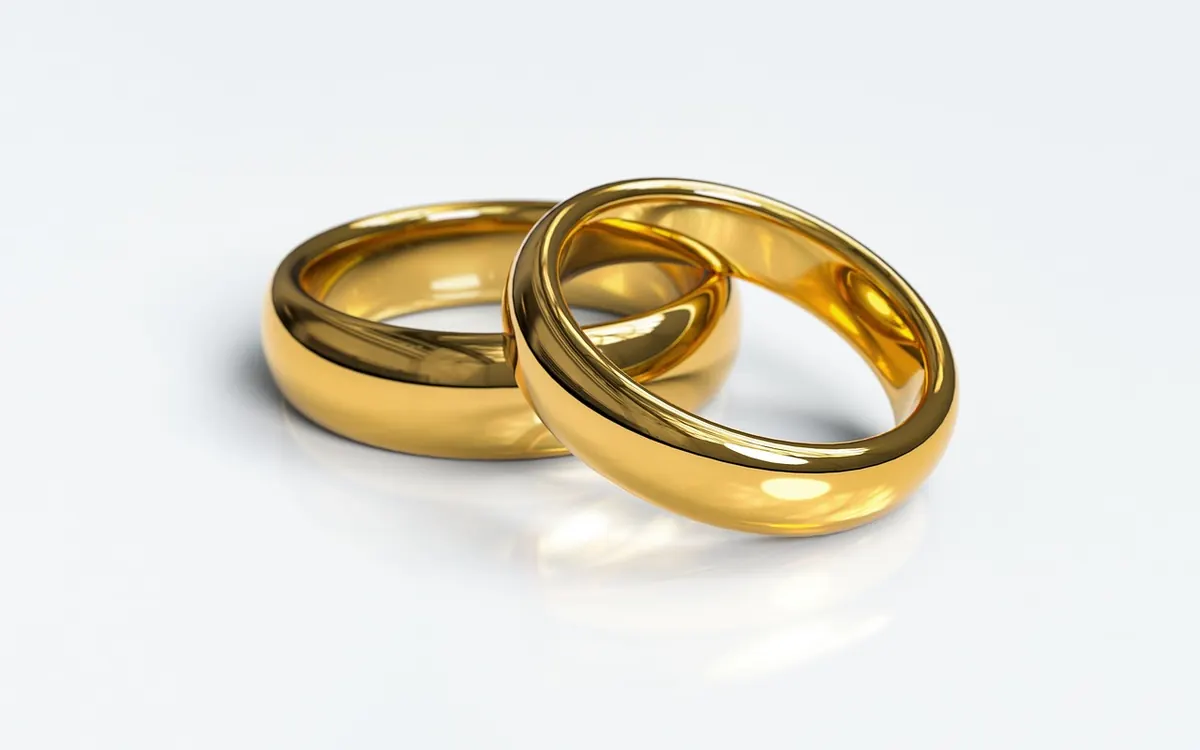
Hands talk at a wedding. You raise a glass, you clap, you adjust a strap, you rest your chin on your hand during the speeches. A ring with a bright flash of fire is in every one of those small moments, and it is in the close-up photographs taken across the table.
A ring also lets you wear a bolder stone. A large cabochon that would overwhelm a delicate chain looks confident on a hand, and a cluster of small opals can read as a single pool of colour from a few feet away. This matters if your dress is high-necked, if you are wearing statement earrings, or if you simply don't want anything around your neck in the heat.
Choose the setting with the party in mind. A bezel or rub-over setting, or a domed stone with a protective border, will survive champagne toasts and enthusiastic hugging. Tall prongs on a ring worn to a dance floor are a gamble. Doublets and triplets — opal bonded to a stronger backing — are more robust options for a piece you intend to wear often.
Match the piece to the venue
Garden and country house
Grass, gravel and uneven ground are the enemy of a ring you are using to steady yourself or carry a folding chair. A pendant is the lower-risk choice here, and daylight flatters pale body colours: white, crystal and light grey opals with silver or white gold look crisp against floral prints and green backdrops.
Beach and destination
Salt, sand and sunscreen are all rough on opals. A compact pendant is usually the better answer, kept short enough that it doesn't swing into a neckline full of sand. If you want a ring, choose a bezel-set design and take it off before you go near the water; sand is abrasive and a beach bag is not a jewelry case.
Rooftop or evening ballroom
Here the light is warm and artificial, and darker body colours with strong directional fire come alive. A ring is entirely reasonable — you are not carrying furniture or digging in a garden — and it gives you something to look at during a long dinner. Just bring a small pouch so you can slip it off when you dance.
A quick checklist before you decide
- Put the dress on and stand by a window in daylight with each piece. Indoor mirrors lie about opal colour.
- Take a photo from three feet away. That is roughly how other guests will see you, and it settles most arguments.
- Raise your arms, hug an imaginary aunt, hold a glass, and sit down. Anything that pulls, twists or presses gets left at home.
- Check the fittings now, not on the morning of the wedding: a loose prong in June becomes a lost stone in July.
- Pack a soft pouch in your bag for the ring, and a tissue wrapped around the pendant chain so it doesn't tangle with your keys.
If you are only buying one piece, buy the one you would wear to a lunch, a gallery and a birthday dinner as well as to the wedding. Wedding jewelry that only works at weddings tends to stay in the box.
A simple way to decide
If your dress leaves the neck and collarbone open, and you want to put the piece on once and forget about it, choose the pendant. If your neckline is high or busy, or you want the opal to be with you through dinner, toasts and table photographs, choose the ring. If both apply, wear both and let one be quiet: a small pendant with a bolder ring, or the reverse.
One last piece of practical housekeeping. Before anything travels to a venue, check that a valuable opal is properly valued and insured, and keep a photograph of it on your phone. For questions about cover or appraisal, speak to your insurer or a qualified jeweller rather than relying on a general guide — including this one.
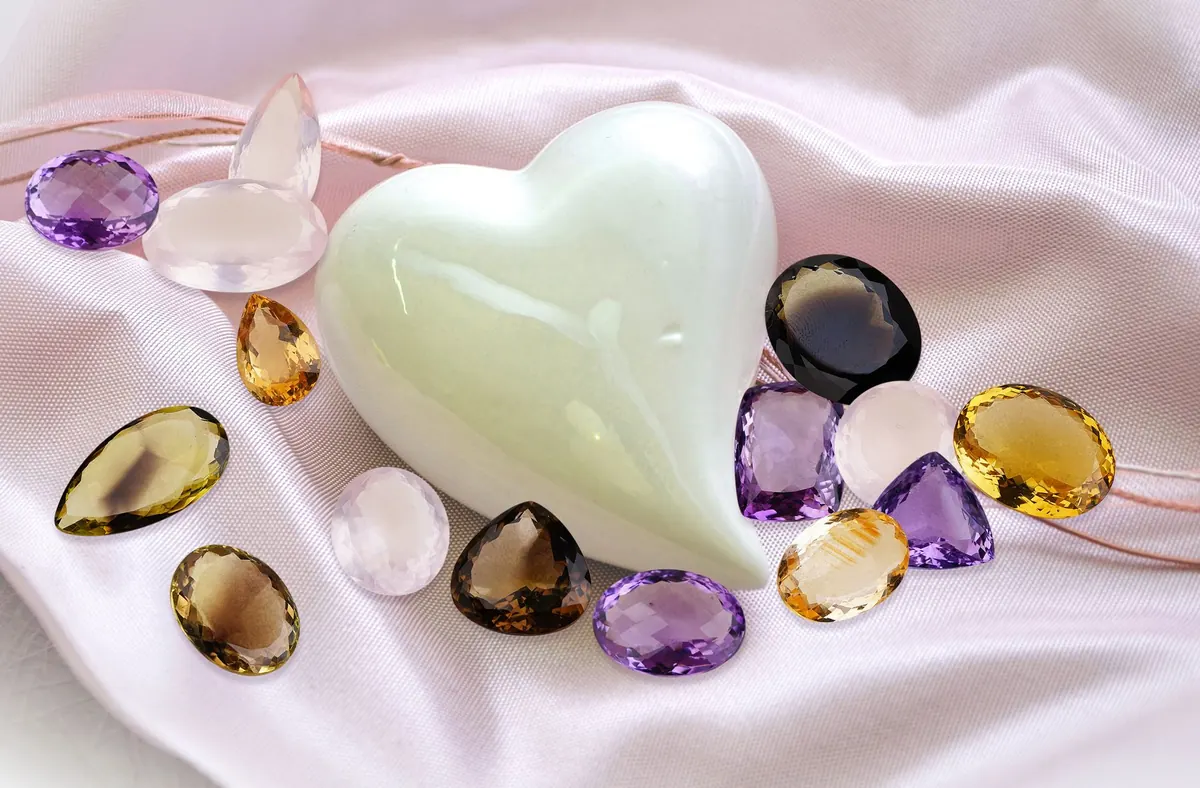
Photo: ANURAG1112 / Pixabay